Categories
5 Strategies to Attract High-Intent MSP Leads
3 Dec 2024
3 min read
Monikha
1. Be present on review sites
Why it matters:
Here's what you can do:
Claim your profiles: Start by listing your business on popular review platforms like Clutch, G2, and Trustpilot.
Craft a strong profile: Make your profile stand out by showcasing your services, expertise, and what makes you unique with compelling, keyword-rich descriptions to boost discoverability.
Gather reviews: Happy clients are your best advocates! Encourage them to leave honest feedback on these platforms. Some of these platforms even help you collect reviews if you share a client list.
Showcase success stories: Share case studies with measurable results in your profile. Show potential clients the real-world impact of your services and how you’ve solved problems for businesses like theirs.
Leverage premium features: Many platforms offer paid options that give you deeper insights into your profile's performance. For instance, you can see how many people are viewing your page and, in some cases, even identify the companies checking you out. Use this data to fine-tune your outreach strategy and turn profile visitors into leads.
2. Target high-intent keywords
How to use high-intent keywords to find leads
SEO optimization: Incorporate these keywords into your website copy, blog posts, and landing pages to rank higher in search results.
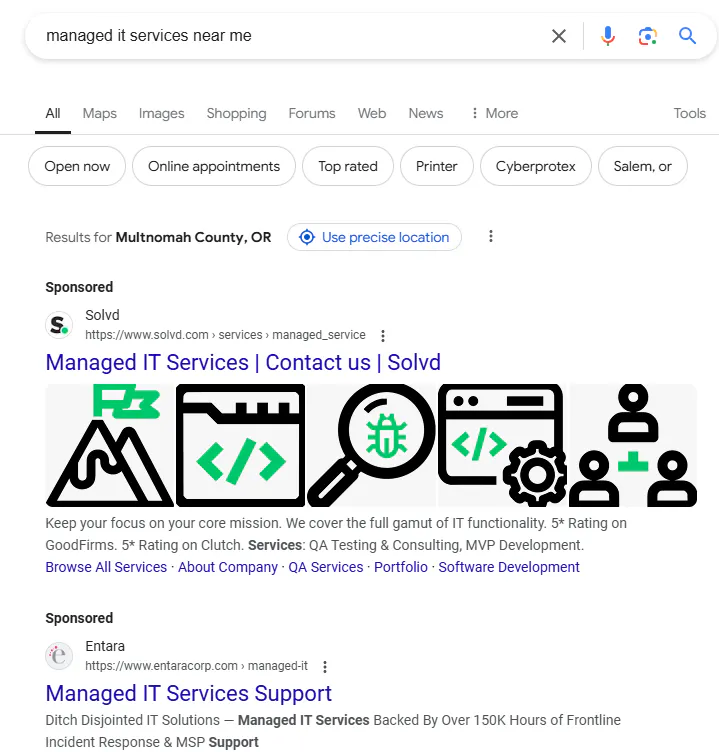
PPC campaigns: Create targeted Google Ads for these high-intent keywords to capture ready-to-convert leads. Here’s an example of ads MSPs run for “managed IT services near me” with location target.
Content Strategy: Develop content around these keywords, like comparison guides or pricing pages, that address specific pain points and encourage action.
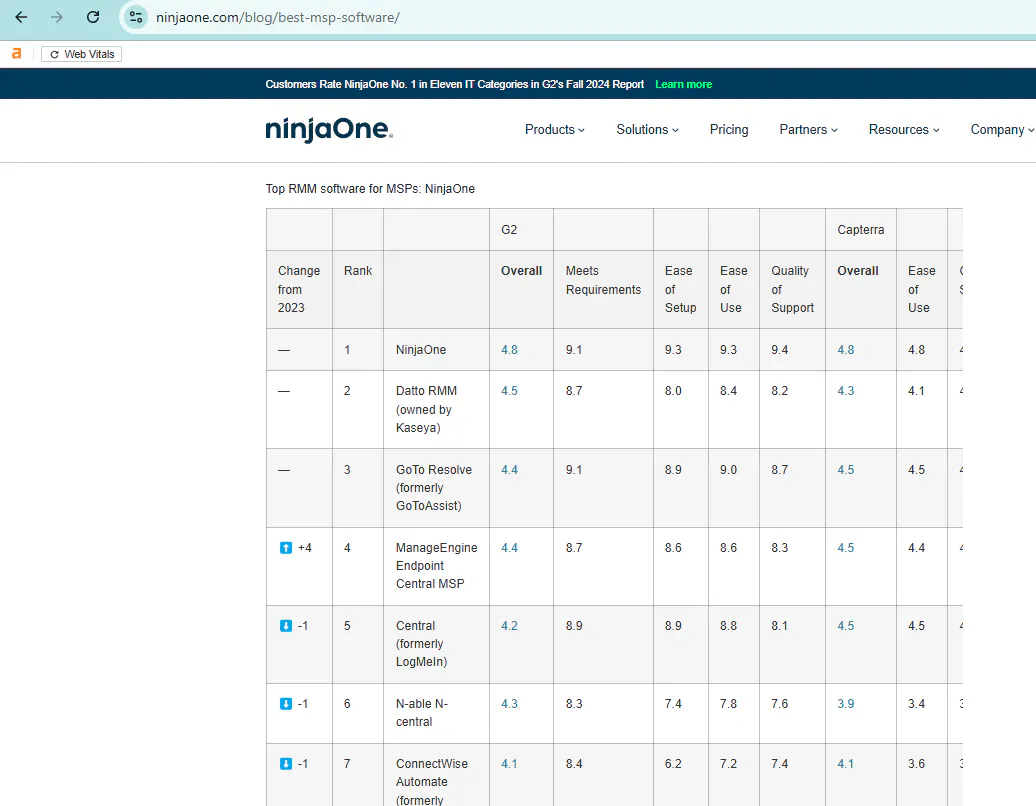
Example: For the search intent 'best MSP software,' NinjaOne has strategically created a comparison table ranked across critical metrics, reinforcing their #1 position and guiding prospects toward confident decision-making."
Landing pages: Design dedicated landing pages for top high-intent keywords, ensuring clear CTAs (e.g., "Get a Quote" or "Book a Demo").
Bonus content: How to identify high-intent keywords
Use keyword tools: Platforms like Google Keyword Planner, SEMrush, or Ahrefs help analyze search terms and assess intent.
Review competitor strategies: Tools like SEMrush or SpyFu reveal which keywords competitors are targeting in their ads and content.
Analyze search data: Examine your own PPC and website analytics to find keywords that have historically led to conversions.
Examples of high-intent keywords for MSPs
3. Engage in online communities and niche forums
Action steps:
Join forums: Participate in platforms like Reddit (r/sysadmin), Spiceworks Community, Quora, and LinkedIn groups.
Provide value: Share insights, answer questions, and solve problems without being overly promotional.
Build relationships: Engage with leads and peers to expand your network.
Monitor for high-intent threads: Look for posts where users ask for MSP recommendations or share IT challenges. Use forum notifications, or tools like Mention or Google Alerts to track such threads and act quickly.
You join the conversation exactly when a business is expressing a need for an MSP, increasing your chance of being chosen.
4. Partner with vendors and consultants
Action Steps:
Identify potential partners: Look for vendors and IT consultants who serve your target market.
Establish mutually beneficial relationships: Offer value in return, such as referrals or co-marketing opportunities.
Stay top of mind: Regularly update partners on your services and success stories.
Example: By collaborating with a leading MSP-focused vendor, OXEN Technology projected up to a 50% revenue growth in managed and cloud services, with 30% of this growth attributed to new backup and disaster recovery sales.
5. Participate in events where businesses meet MSPs
Show up and stand out: Attend industry events as an exhibitor or speaker to showcase your expertise and boost your visibility. Being on stage or having a booth puts you in front of the right audience.
Network strategically: Use the event app or registration details to identify job titles that align with your ideal client profile. Identify 10–20 attendees you want to meet, and research their business challenges. Tailor your messages accordingly.
Offer immediate value: Provide resources, such as a free eBook, consultation, or checklist, based on their specific challenges.
A face-to-face meeting builds trust faster than emails or cold outreach, making it easier to move leads down the sales funnel.
Other high-intent signals to watch out for
Job postings for IT roles: Companies hiring IT staff might consider outsourcing. Use job boards to identify these opportunities and offer your services.
Recent funding announcements: Newly funded companies often need scalable IT solutions. Monitor platforms like Crunchbase and reach out with tailored offerings.
Mergers and acquisitions: M&As create a need for IT integration. Track business news and offer support for system transitions.
Office relocations or openings: Relocations signal a need for IT setup. Use press releases or local news to identify potential clients.
Compliance deadlines: Regulated industries approaching deadlines may require compliance solutions. Proactively reach out with tailored services.
Recent security breaches: Companies experiencing breaches need immediate security support. Monitor news and offer expertise to address vulnerabilities.
Rapid company growth: Fast-growing businesses outpace their IT capabilities. Identify these companies and propose scalable solutions.
Technology obsolescence notices: End-of-life announcements create opportunities for upgrades. Contact affected businesses with replacement options.
Website visits and engagement: Use analytics to identify companies engaging with your site and reach out to nurture leads.
Social media complaints: Monitor platforms like Twitter and LinkedIn for companies venting IT frustrations and offering solutions.
By staying alert to these signals and reaching out with the right message at the right time, you can show businesses how your MSP services can make their lives easier and more productive.
Final thoughts
Ready to Grow Your MSP Business?
Don’t settle for traditional methods. Download the MSP Success Playbook now and access the actionable strategies top MSPs use to fuel their lead generation and drive consistent growth.