Categories
Search Intent Demystified: How MSPs Can Reach Customers Better
3 Dec 2024
3 min read
Anju George
The secret lies in understanding search intent—the underlying reason behind a user's search query. By aligning your website content with your clients' search intent, you make it easier for them to find and choose your services.
1. Informational Intent: Educating Your Audience
Scenario: A small business owner wants to enhance their IT security but isn't sure where to start.
Example Search Query: "How to improve network security for small businesses"
What You Can Do
Create Comprehensive Guides:
- Develop in-depth articles or e-books that address common IT security challenges small businesses face. For instance, write a blog post titled "5 Essential Tips to Enhance Your Small Business Network Security."
- Break down complex topics into easy-to-understand sections. Include practical tips like implementing firewalls, regular software updates, and employee training programs.
Produce Video Tutorials:
Offer video content that visually explains IT security best practices. Upload these to YouTube or embed them on your website to capture traffic from users who prefer visual learning.For instance, launch a YouTube series like "IT Security Basics for Small Businesses" to engage viewers and drive them to your website for more detailed resources.
Example:
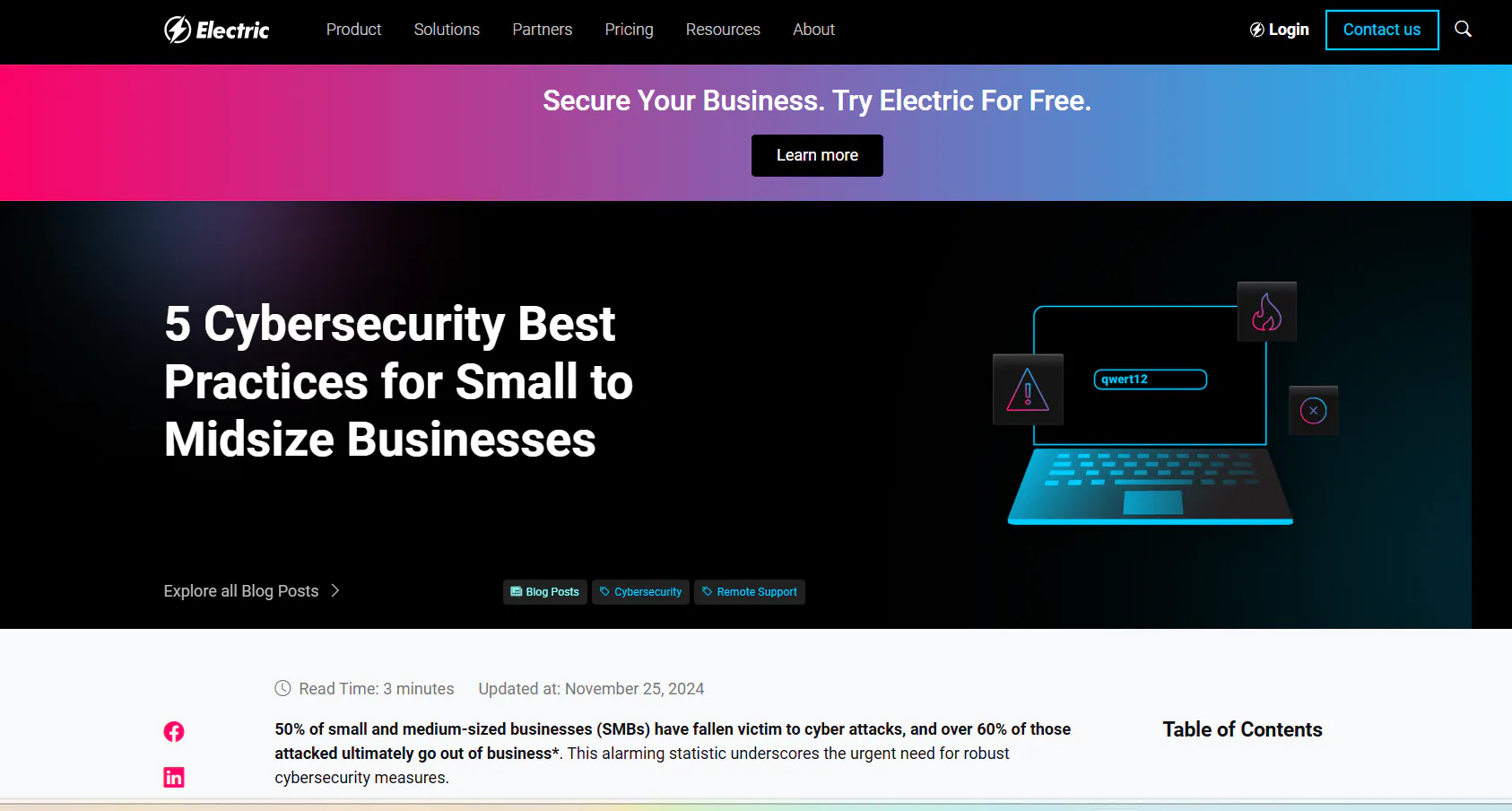
Electric.ai published an insightful article titled "5 Cybersecurity Best Practices for Small to Midsize Businesses." By providing clear and actionable advice, Electric.ai positioned itself as a trusted resource for SMBs looking to improve their cybersecurity posture.
2. Navigational Intent: Guiding Users to Specific Pages
Scenario: A client wants to access your MSP client portal or see your pricing overview.
Example Search Queries:
What You Can Do
Optimize Important Pages:
Ensure that key pages like client portals, pricing, contact information, and service overviews are easily accessible from your main navigation menu.
Use clear and straightforward URLs, such as “www.yourmsp.com/client-portal” or “www.yourmsp.com/pricing”
Place prominent links to essential pages in the top navigation bar. Use descriptive labels like "Client Portal" and "Contact Us" to make navigation intuitive.
Improve Internal Search Functionality:
Implement a robust internal search feature that helps users find the exact information or page they need quickly.
Use tools like Algolia or Elasticsearch to provide fast and relevant search results within your website.
Example:
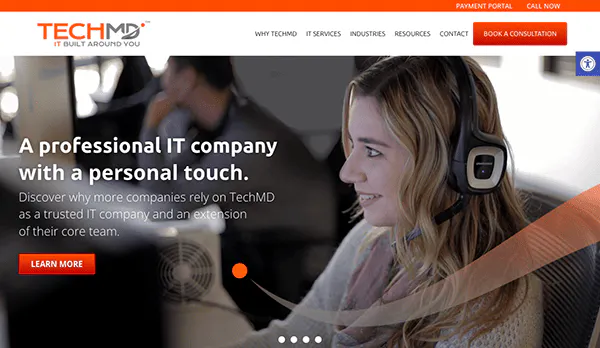
TechMD’s homepage has a streamlined, logically structured navigation, complemented with clear CTAs in the top navigation menu, ensuring users can easily access key services and information.
3. Transactional Intent: Driving Conversions
Scenario: A business is ready to outsource its IT support and is looking for pricing details.
Example Search Query: "Managed IT services pricing"
What You Can Do
Create Clear Pricing Pages:
Develop dedicated pricing pages that outline your service packages with transparent pricing. Include detailed descriptions of what each package includes to help clients make informed decisions.
Use clear tables that compare different service tiers, highlighting features and benefits. For example, "Basic," "Standard," and "Premium" packages with corresponding prices and services listed.
Implement Strong CTAs:
- Use compelling Calls to Action (CTAs) like "Get a Free Quote" or "Contact Us Today" to guide potential clients toward taking the next step.
Place CTAs Strategically: Position CTAs at the beginning, middle, and end of your pricing pages to capture interest at multiple points.
Example:
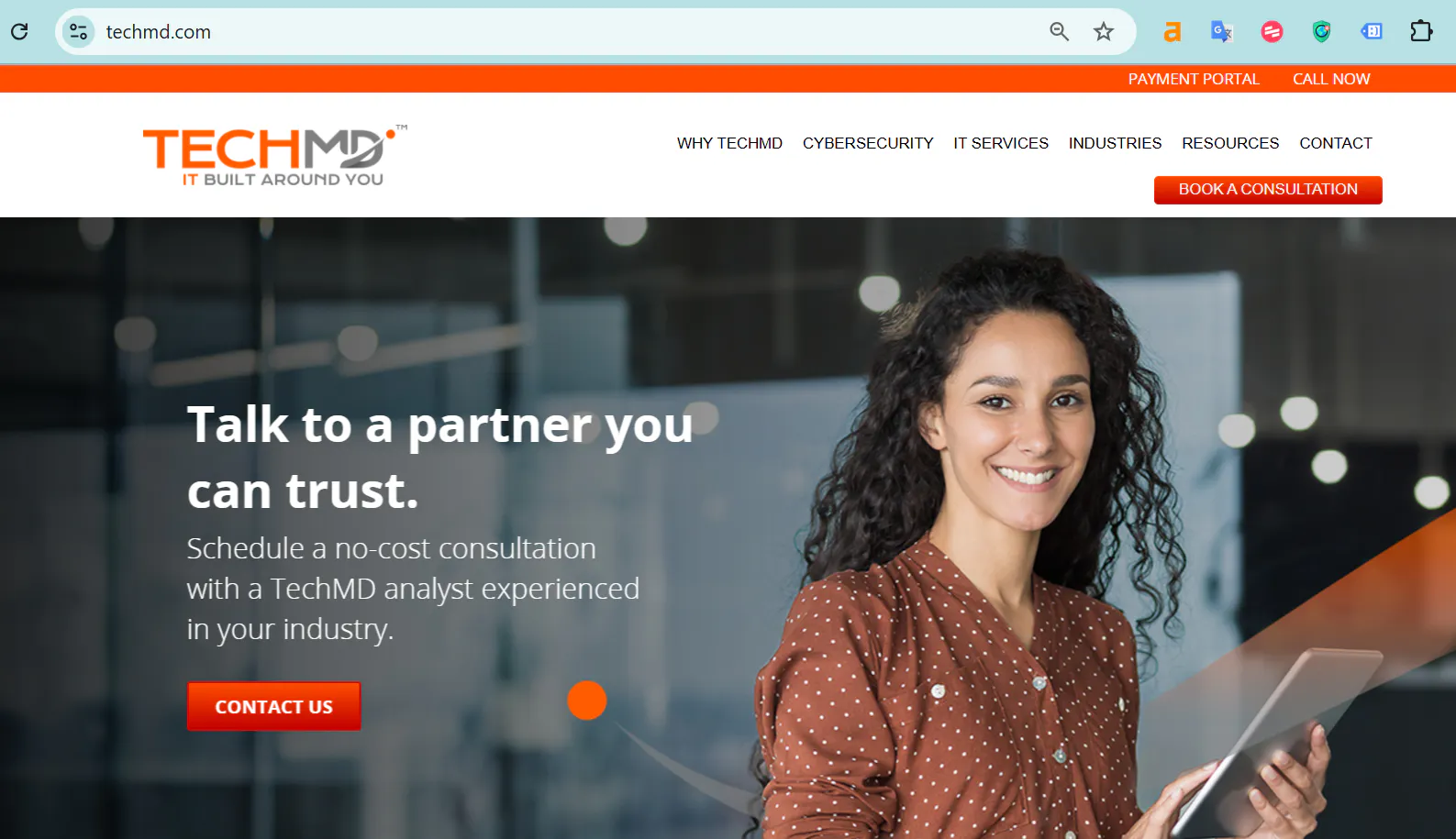
TechMD offers a clear "Contact Us" CTA to move page visitors toward taking action. There is also a “Call now” CTA on the top navigation for users who want to contact them directly.
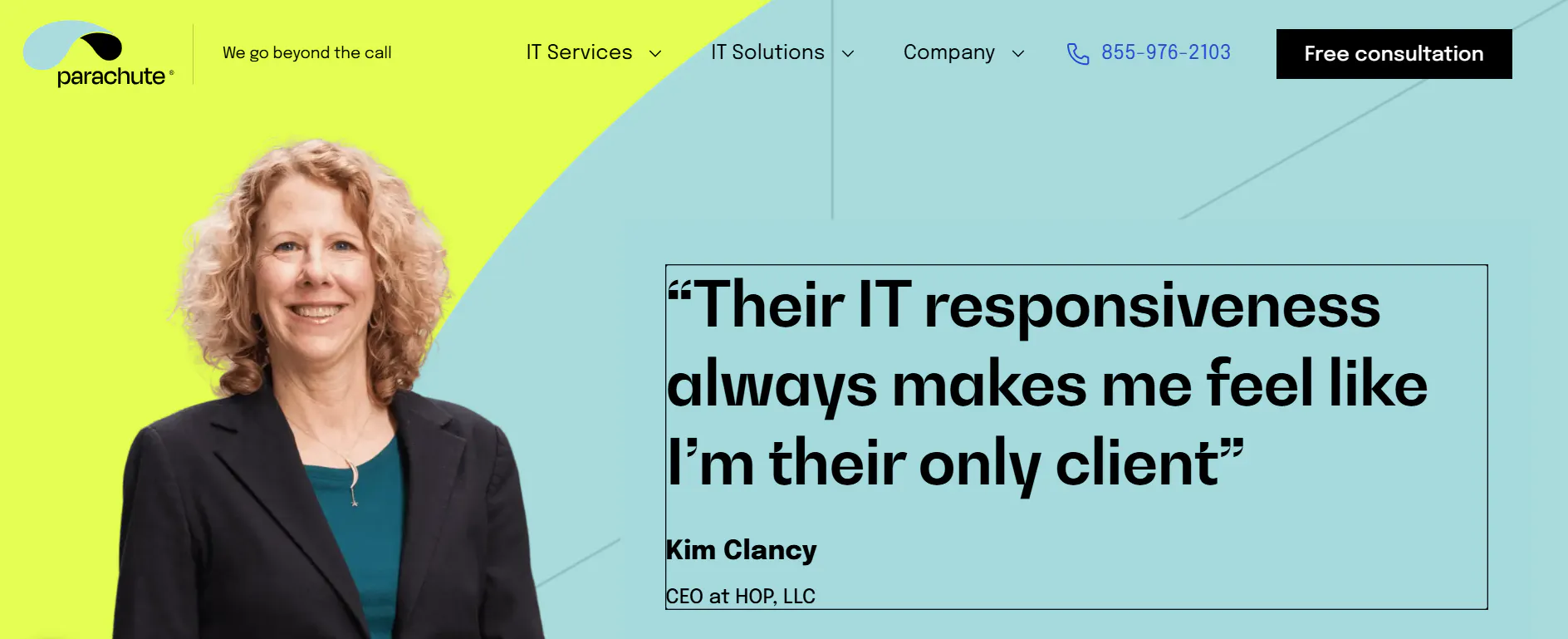
Like TechMD, Parachute also offers a direct phone number. It’s a simple way to ensure prospects can reach out whenever they need help.
4. Commercial Investigation Intent: Facilitating Decision-Making
Scenario: An IT manager is comparing different MSPs to decide which one best fits their company's needs.
Example Search Query: "Best MSP for healthcare industry" or "Managed IT services vs. in-house IT"
What You Can Do
Develop Comparison Articles:
- Write posts that compare your services with in-house IT solutions or other MSPs. For example, “Top 10 Managed Service Providers for Healthcare IT” or "Managed IT Services vs. In-House IT: Which is Right for Your Business?"
- Highlight the advantages of choosing your MSP, such as cost savings, expertise, and scalability.
Showcase Client Testimonials and Case Studies:
- Use real-world examples to demonstrate how your MSP has successfully served clients in specific industries. For instance, "How We Helped ABC Corp. Reduce Downtime by 50%"
- Include testimonials and detailed case studies that highlight your strengths.
Example:
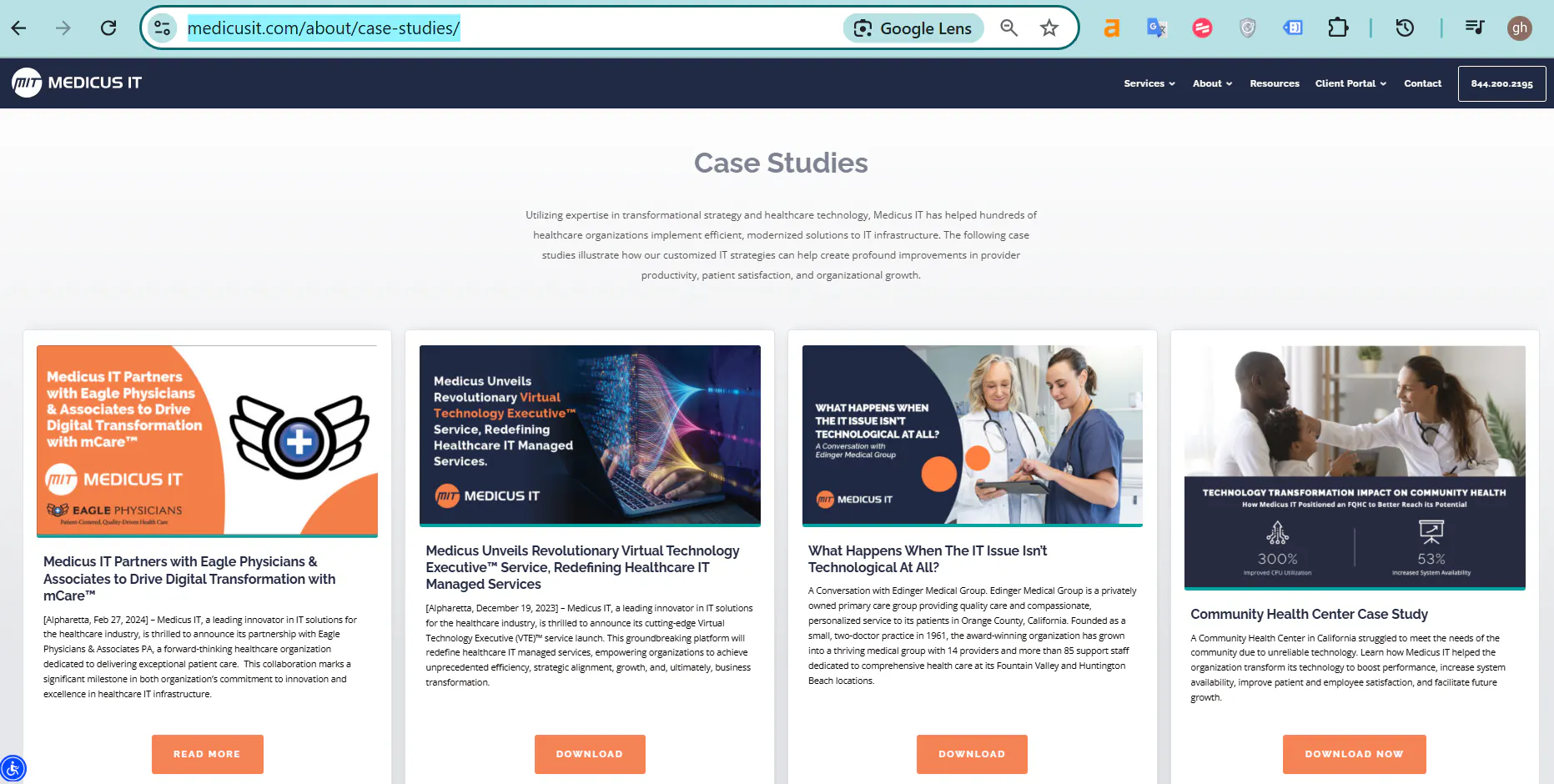
Medicus IT showcases their success through detailed case studies, highlighting how they implemented advanced cybersecurity measures, optimized IT infrastructure, and provided ongoing support for leading healthcare providers.
5. Local Intent: Capturing Nearby Clients
Scenario: A business in your city is searching for the best MSP nearby.
Example Search Query: "Best MSP in Austin"
What You Can Do
Optimize for Local SEO:
Ensure your website includes location-specific keywords in content, meta descriptions, and titles.
Create and optimize your Google My Business profile with accurate information. Encourage satisfied clients to leave positive reviews.
Create Localized Content:
Write blog posts or create resources that address local events, regulations, or specific needs of businesses in your area. For instance, publish articles like "How MSPs in Austin Can Help with Data Compliance" to target local businesses seeking IT solutions.
Example:
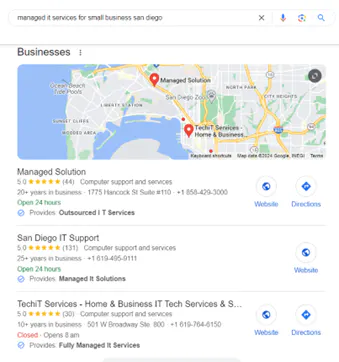
Companies like Managed Solution, San Diego IT Support, and TechIT Services have done a stellar job optimizing their Google Business profiles. They’ve filled in detailed business information, received plenty of customer reviews, and maintained high ratings.
6. Problem-Solving Intent: Offering Solutions
Scenario: A business is experiencing frequent network downtimes and seeks immediate solutions.
Example Search Query: "How to fix network downtime issues" or "Troubleshooting email server errors"
What You Can Do
Provide Step-by-Step Solutions:
- Create detailed guides that walk users through resolving common IT problems. For instance, a blog article titled "Troubleshooting Common Network Downtime Problems for Small Businesses"
- Use clear instructions and visuals like screenshots or GIFs to enhance understanding.
Develop Interactive Tools: Offer tools like quizzes or assessments that help businesses identify their IT issues and suggest appropriate solutions.
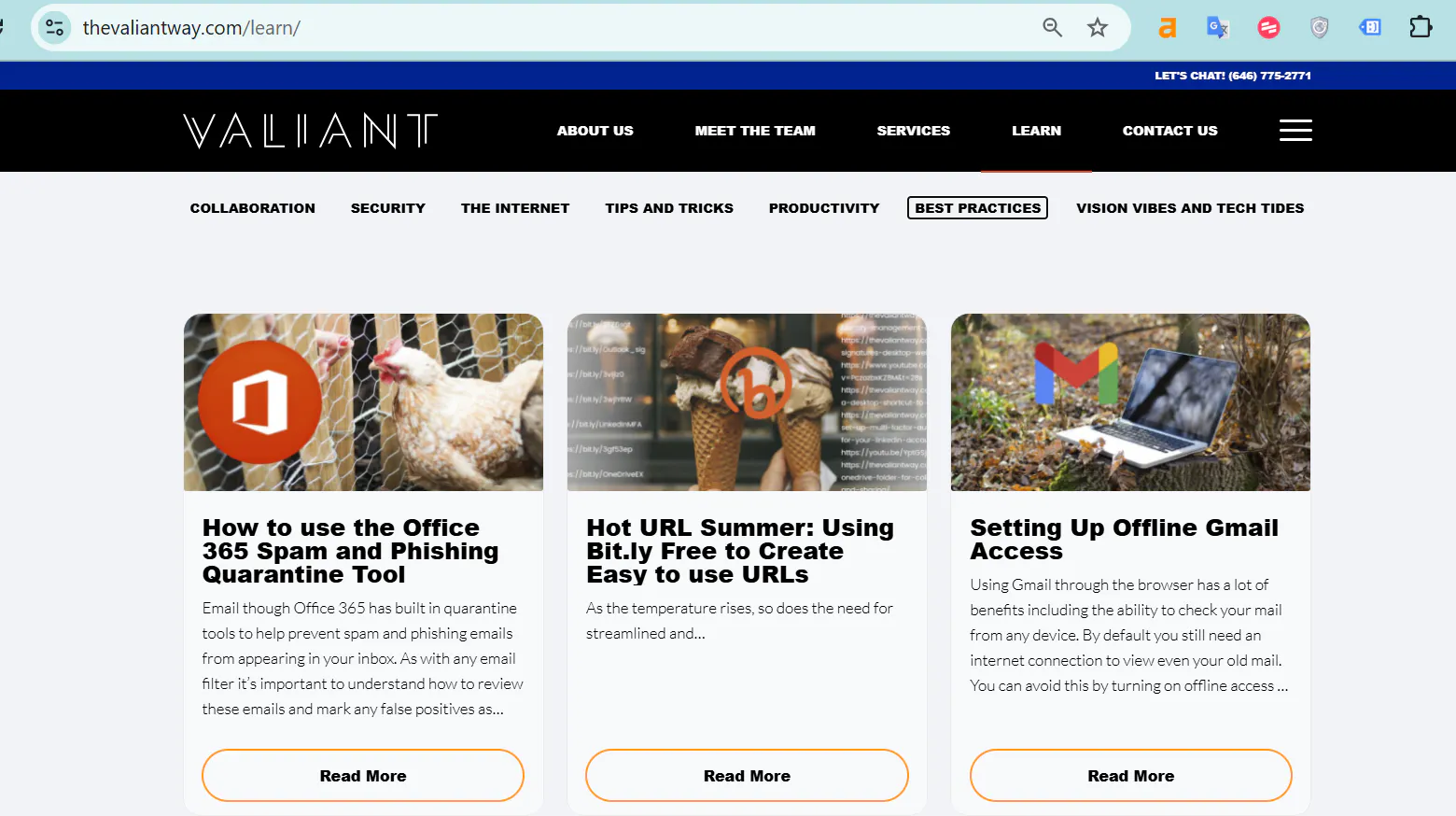
Example: Valiant’s blog is filled with practical how-to articles that address and solve specific user challenges.
Final thoughts
Ready to Grow Your MSP Business?
Don’t settle for traditional methods. Download the MSP Success Playbook now and access the actionable strategies top MSPs use to fuel their lead generation and drive consistent growth.